This page is the practical checklist I would use before starting a new batch of plumeria seeds. For the deeper background on seed biology, germination stages, and early seedling development, start with About Plumeria Seeds. This page is meant to help you decide what to plant, how much space you need, and what to record before the first seed goes into a plug or tray.
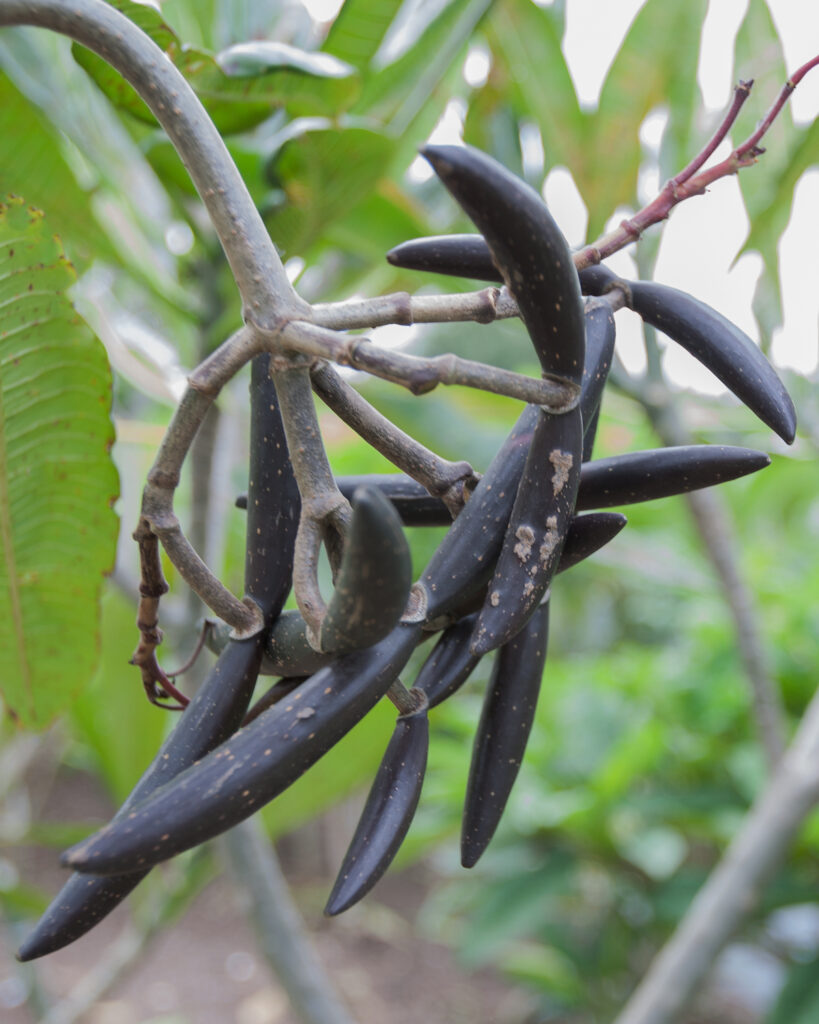
Know What A Seed Can And Cannot Promise
A plumeria seedling is not a copy of the named variety that produced the pod. The pod parent matters, and the pollen parent matters when it is known, but every seed is still its own genetic individual. That is the fun of growing from seed, and it is also the reason to be honest with labels. A seed from a named tree can produce something excellent, ordinary, or completely unexpected.
Choose Seeds With A Purpose
Before planting, decide what you are trying to learn. You may want seedlings from a specific pod parent, a certain color family, a compact growth habit, or a Florida Colors Nursery seedling line. Fresh, well-filled seed is usually easier to work with than old or thin seed, but record the source either way so you can judge the results later.
- Record the pod parent exactly as provided.
- Record the pollen parent only when it is known or controlled.
- Keep the source name with the seed lot.
- Do not rename a seedling as a cultivar until it has earned that attention over time.
Plan Space Before You Plant
Ten seeds can become ten plants, and healthy seedlings need more room every few months. I like to think past germination before I plant. Where will they sit after they sprout? Where will they go after transplanting? How many can be grown well through the first season? It is better to grow fewer seedlings well than to start too many and lose track of them.
Prepare The Setup
Plumeria seeds need warmth, moisture, oxygen, and a clean medium. FlexiPlugs, seed-starting mix, or a well-draining mix can work when moisture is managed properly. The medium should stay evenly moist, not sour or waterlogged. Labels should be ready before planting, because one unlabeled tray can undo months of useful observation.
- Use clean trays, plugs, pots, and labels.
- Keep the seed lot name with every container.
- Provide bright light after germination.
- Avoid cold, wet conditions that slow roots and invite rot.
What I Record Before Planting
At minimum, I want the seed source, pod parent, pollen parent if known, date planted, germination method, and number of seeds planted. After that I add germination date, transplant date, fertilizer notes, growth habit, photos, and first-bloom observations. Those notes turn a tray of seedlings into a real project.