Most plumeria seedling problems come from simple things repeated too long: wet mix, weak light, missing labels, too much fertilizer, or moving seedlings before the roots are ready. The good news is that these are fixable once you know what to watch.
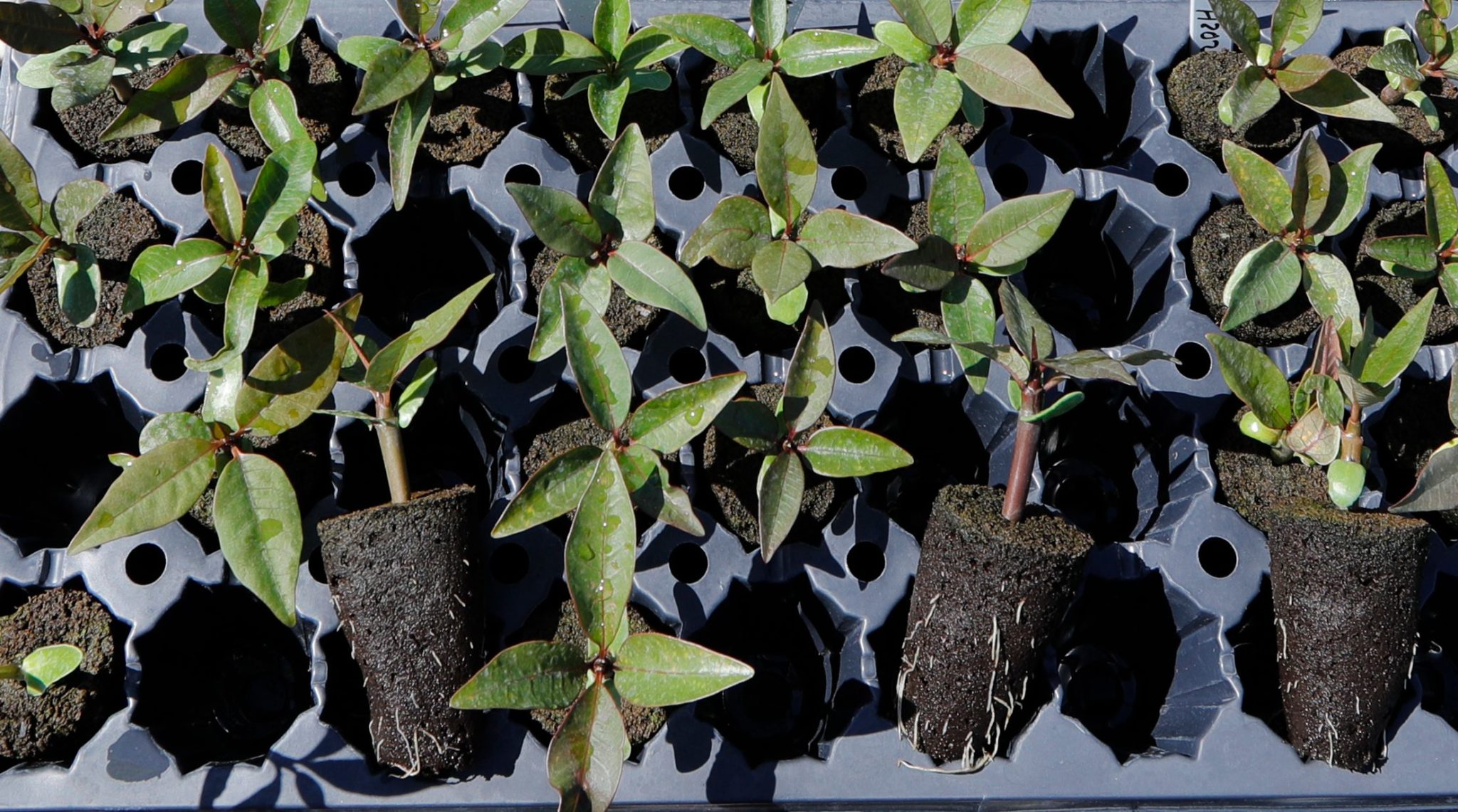

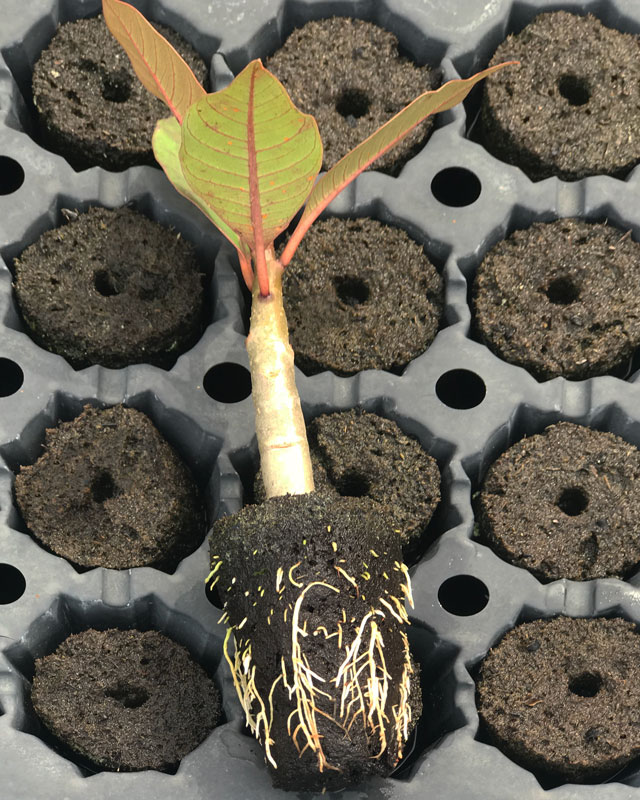
Mistake 1: Keeping the Mix Too Wet
Moisture starts germination, but constant wetness can weaken seedlings. I look for damp and airy, not soggy. If the tray smells sour or the seedling base looks soft, water management needs to change quickly.
Mistake 2: Waiting Too Long for Light
Seeds can sprout before strong light is needed, but seedlings need light as soon as they stand. Weak light creates stretched seedlings that are harder to manage later.
Mistake 3: Losing the Label
A lost label turns a seedling project into a guessing game. I label before soaking seed and keep the label with the tray, plug group, or pot through each transplant.
Mistake 4: Feeding Before Roots Are Ready
New seedlings do not need to be pushed hard. I wait for active growth and a working root system, then feed lightly and watch the response.
Mistake 5: Culling Too Early
Seedlings from the same pod can grow at different speeds. I remove seedlings with clear rot or severe weakness, but I try not to judge every plant too early based only on the first few leaves.
Keep Learning
- Damping Off and Seedling Diseases – damping off, seed rot, sanitation, and prevention
- Keeping Track of Your Seedlings – record keeping that prevents confusion
- When to Transplant Plumeria Seedlings – timing transplant decisions