Camelot seed-soaking observations
In this 2019 project, I soaked 70 Camelot seeds for four hours. At that point, 68 had sunk and two remained floating. The two floating seeds appeared to have underdeveloped embryos; this was a visual assessment, not confirmation that they could not germinate.
After soaking, I placed the Camelot seeds in FCN FlexiPlugs with their wings extending above the plugs.
How to interpret these observations
The count records sinking after soaking, not a measured germination rate. Floating or sinking alone does not establish whether a plumeria seed is viable. Do not discard otherwise sound seeds solely because they float. Germination and subsequent seedling development provide stronger evidence of successful establishment.
For current practical guidance, see How to Soak Plumeria Seeds.
This year my experiments are one to determine the benefits of correcting pH and two to determine if growing seedlings in nutrient saturated FlexiPlugs until time to transplant into pots is beneficial.
Similar to or maybe a version of hydroponics.
This project explored pH adjustment and growing seedlings in nutrient-treated FlexiPlugs. These were experimental treatments, not established recommendations. The observations shown here do not, by themselves, demonstrate that either treatment improved growth.
Day 1, 2/16/2019

Day 1, 2/16/2019
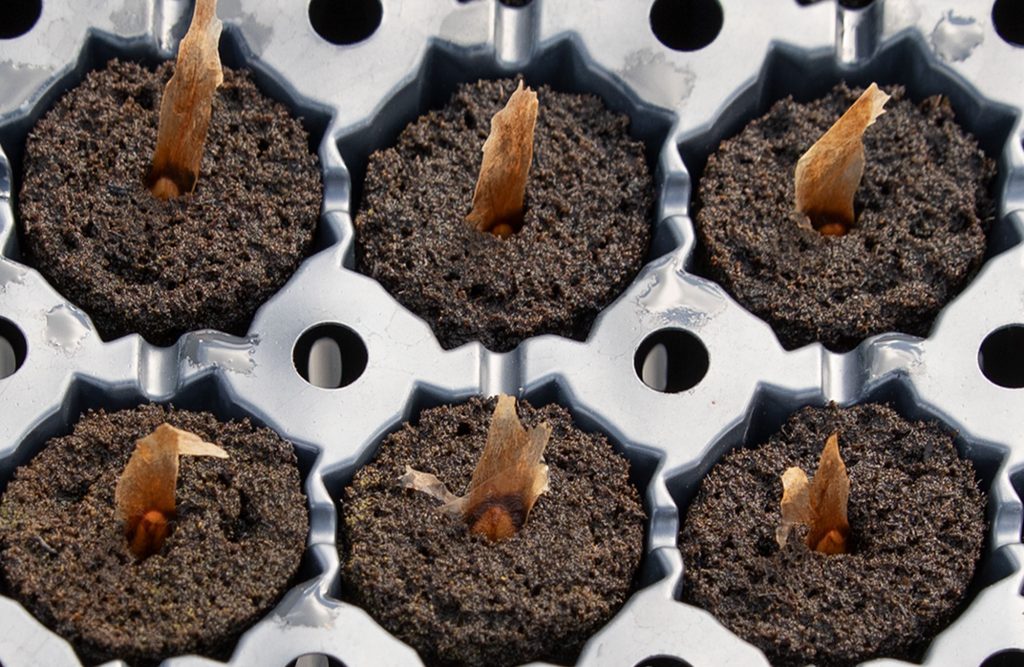
Day 1, 2/16/2019
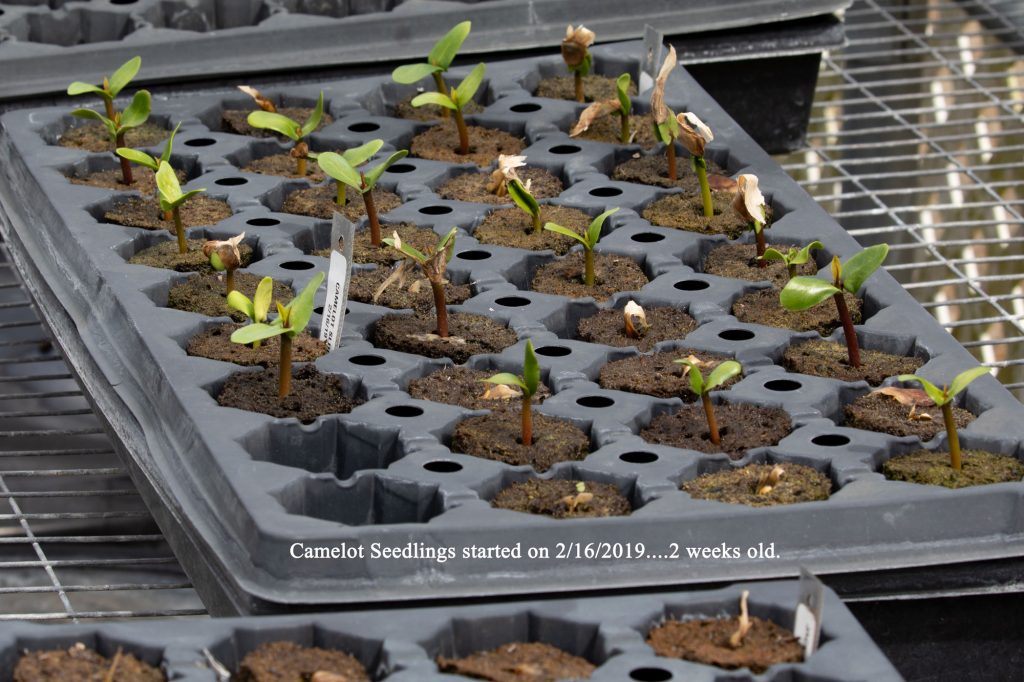
Day 14, 3/3/2019
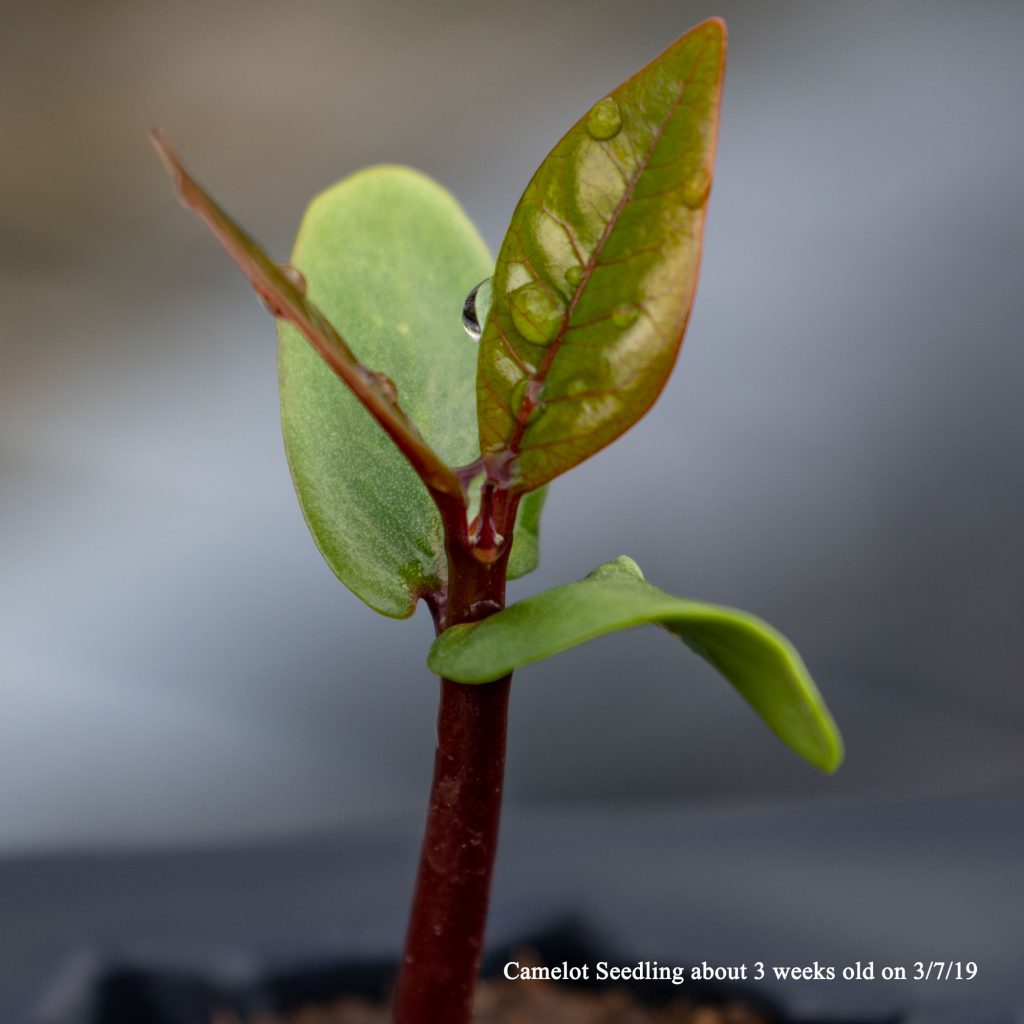
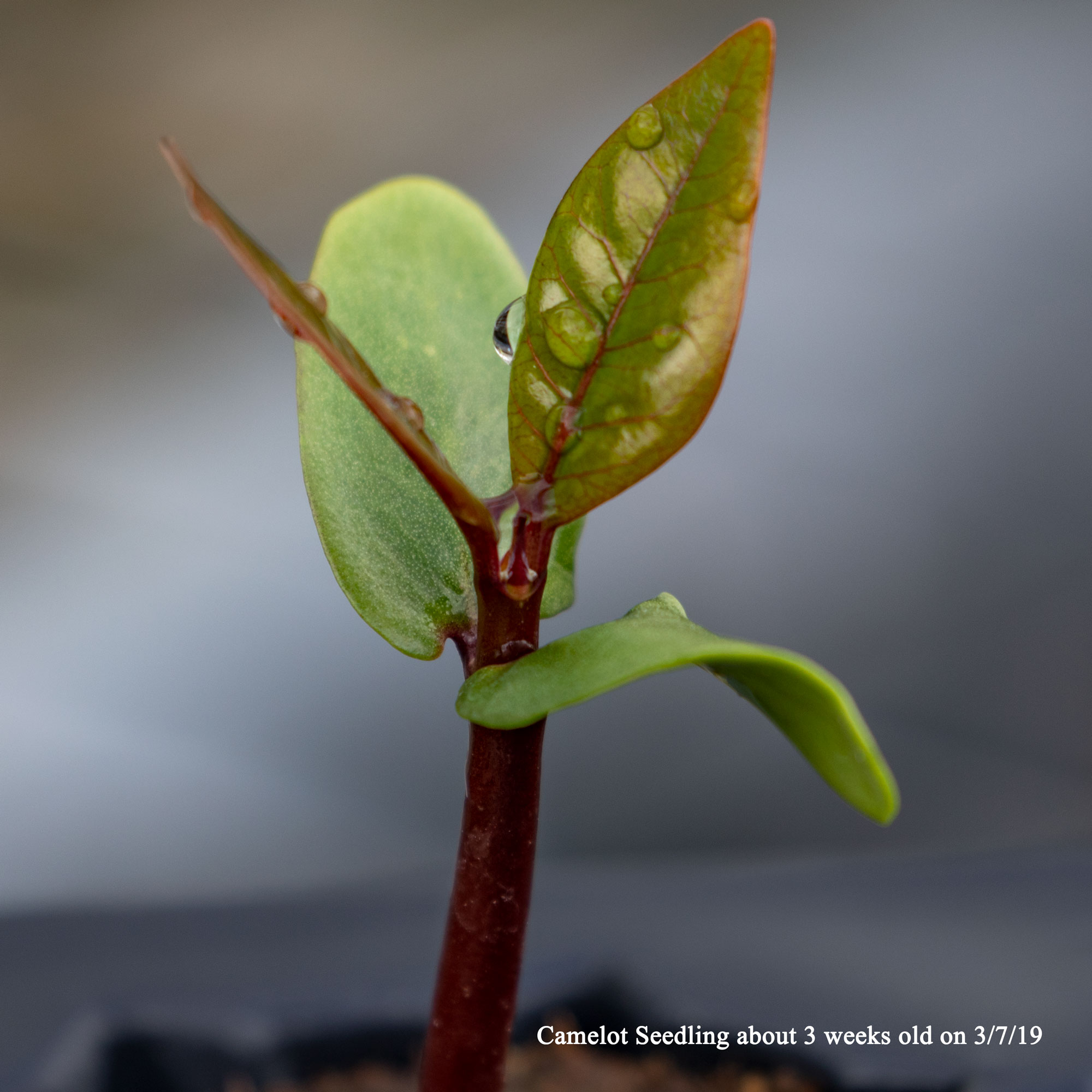
Hope Seedling in FCN FlexiPlugs. What I look for when evaluating my seedlings. When seedlings have a dark trunk, dark leaves with dark veins in the leaf, I believe they have a greater chance of having a colorful flower. Of course, there is no guarantee. This seedling was 19 Days old on 3/7/19 and about 3″ tall.
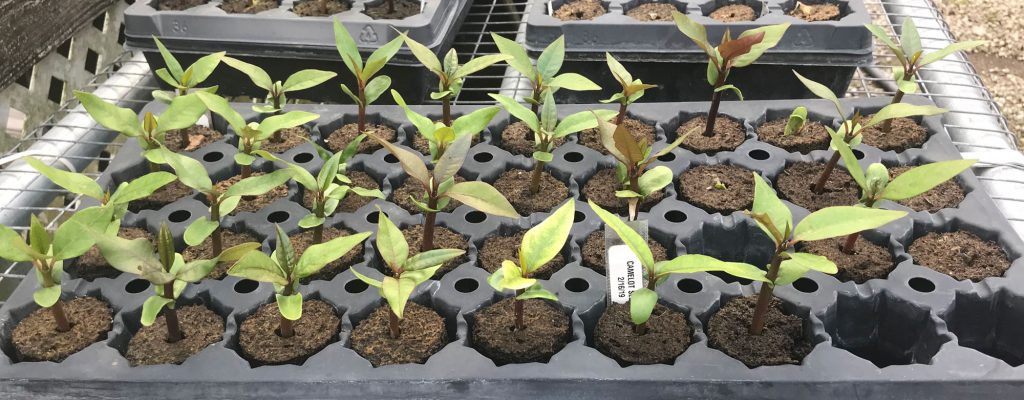
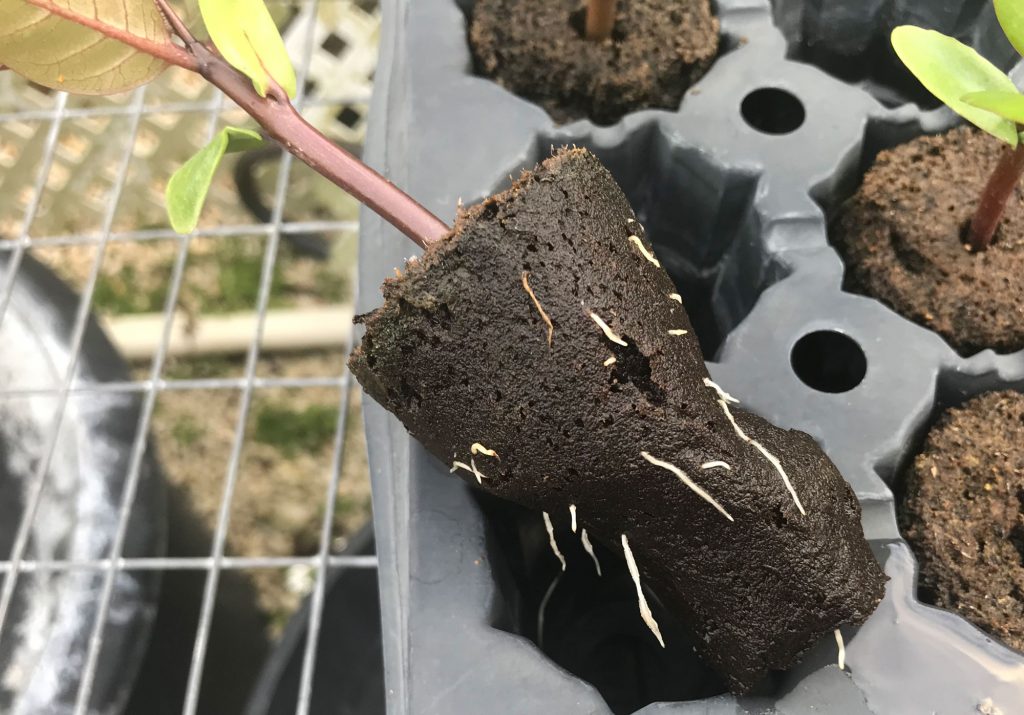
Camelot seedling, March 17th, 2019, After 29 days I’m starting to see roots emerge from the plugs.